Why frequency planning matters
Commercial kitchen exhaust systems do not fail on a calendar alone. Grease accumulates faster in high-volume fry lines than in a bakery that rarely deep-fries. NFPA 96 gives operators a framework for inspection and cleaning intervals, but the day-to-day reality is: observe buildup, document it, and schedule the next service before the kitchen gets surprised by an inspector.
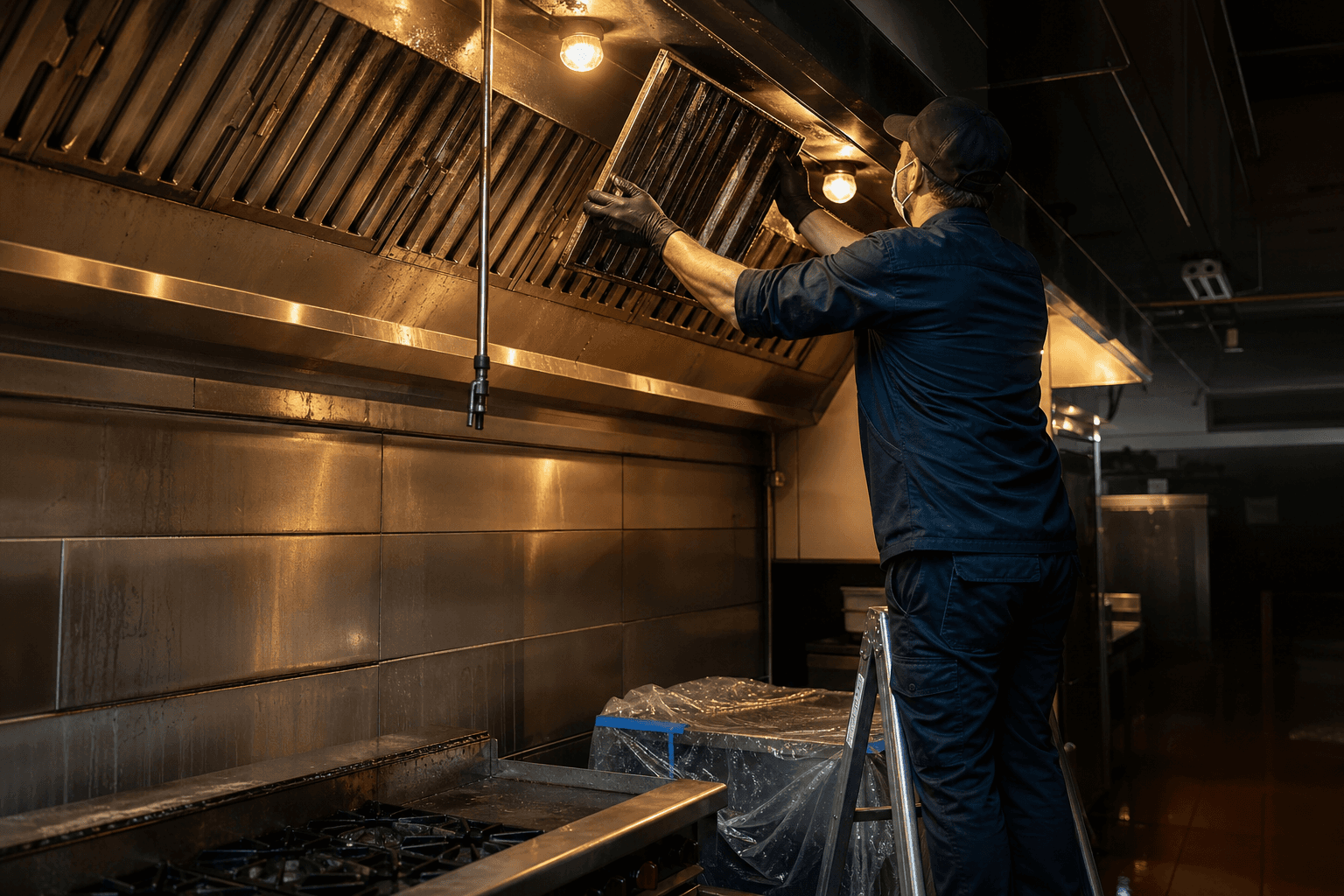
Software cannot certify compliance. A qualified hood-cleaning provider still performs the work. What software can do is keep the cadence organized — so the next overnight window is booked while the restaurant manager is still on the phone.
Signals that should drive the next booking
Operators who run recurring routes typically weigh:
- Cooking volume and menu — continuous frying and charbroiling produce heavier deposits than light sauté work.
- Fuel and equipment mix — solid-fuel and high-output equipment often need shorter intervals.
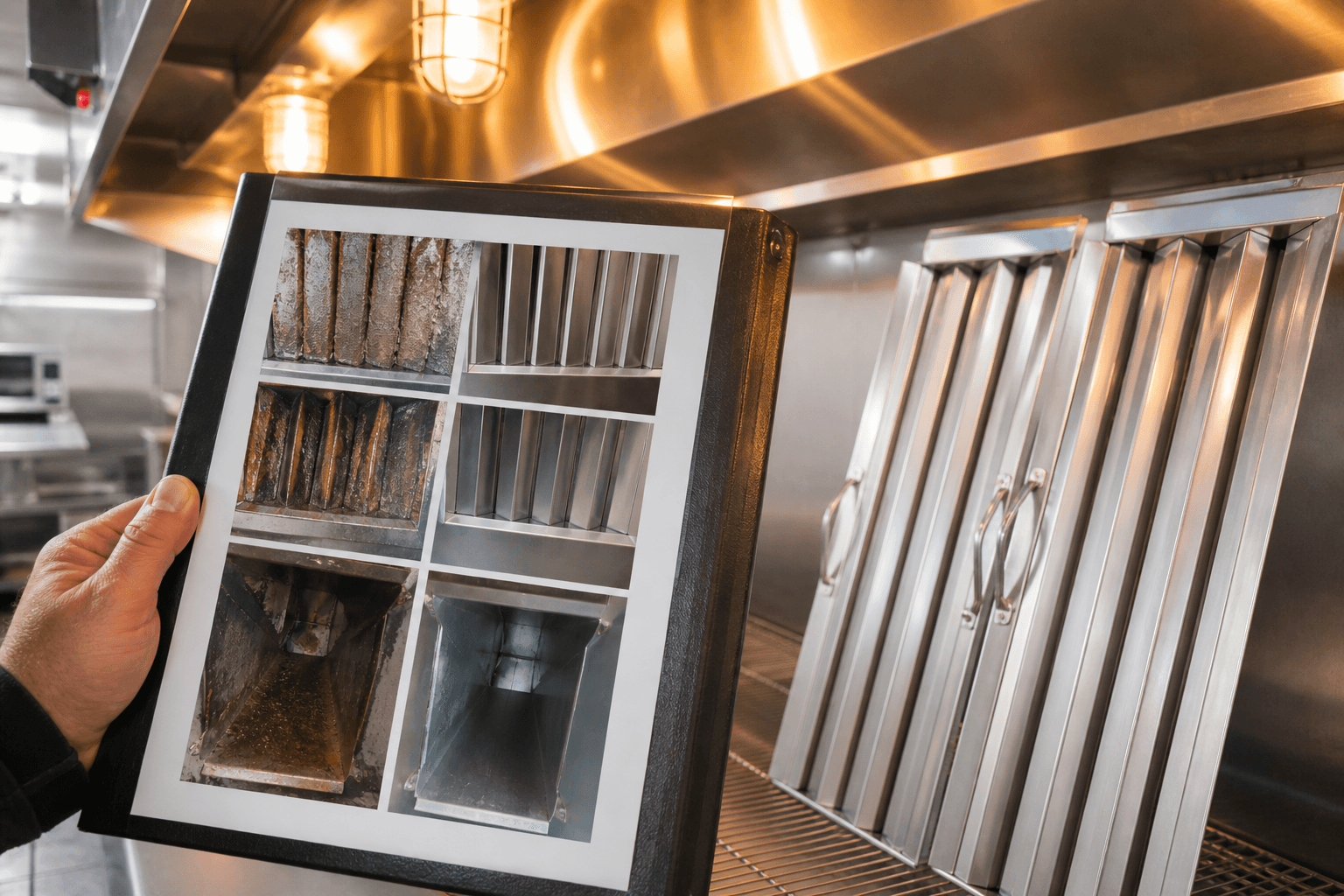
- Observed grease depth — photos from the last visit are more useful than a generic “quarterly” label.
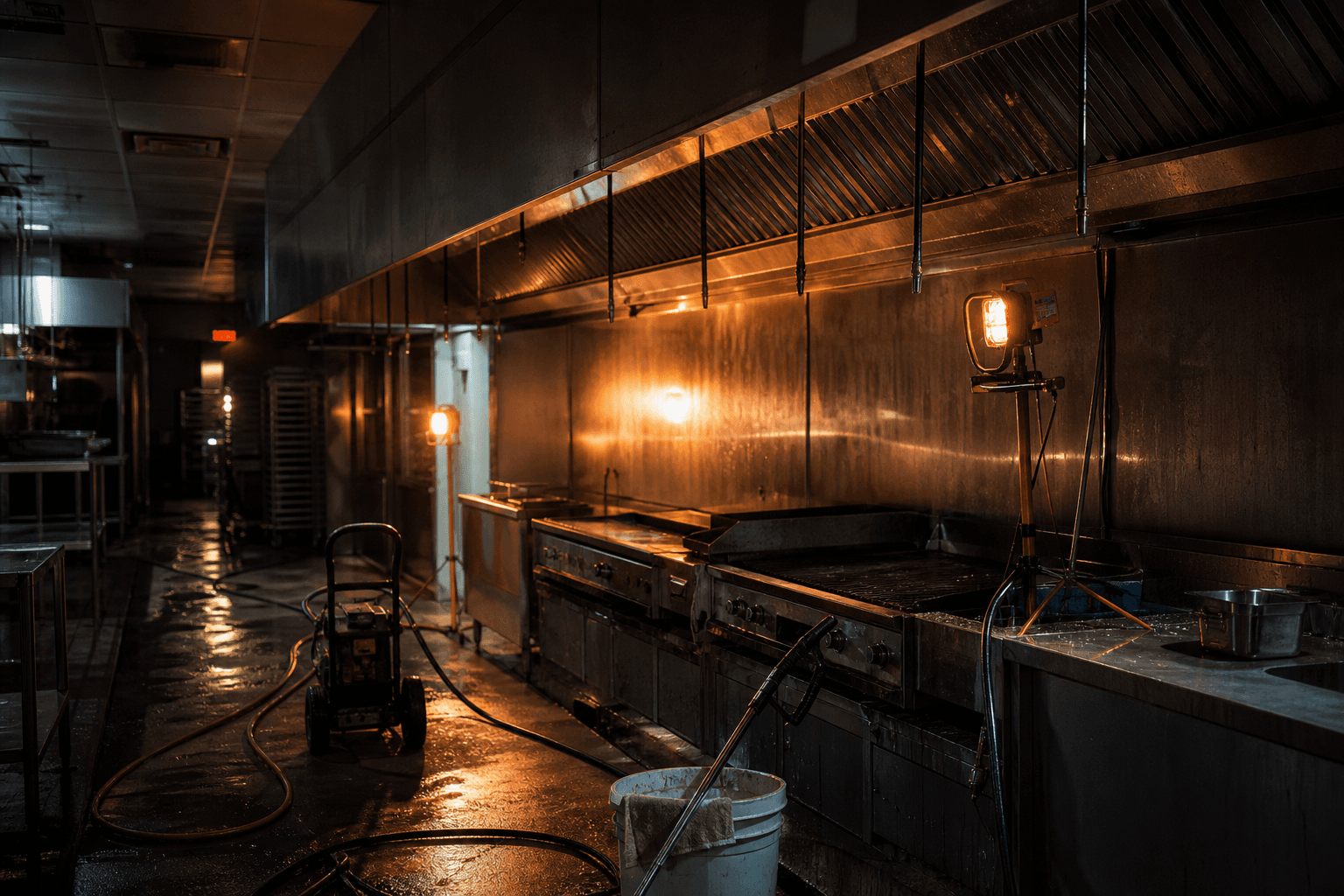
- Access constraints — roof hatches, locked mechanical rooms, and after-hours site contacts change when a crew can actually work.
- Local authority expectations — AHJ requirements vary; treat published intervals as planning input, not legal advice.
How Daniel helps on the call
When a restaurant calls HoodCleaningDispatch, Daniel can capture hood length, cooking equipment, access window, and whether the request is recurring or urgent. That detail lands on one job record so the night crew is not guessing at 1 AM — and so the next recommended service date can return to the dispatch queue automatically.
Practical takeaway
Build frequency around observed conditions and kitchen operations, then let your AI receptionist lock the next overnight slot on the first call. Recurring revenue follows from disciplined follow-up, not from hoping managers remember to dial you again.